Advancing Scientific Excellence
in probiotics, prebiotics, synbiotics, postbiotics and fermented foods

in probiotics, prebiotics, synbiotics, postbiotics and fermented foods
The international non-profit organization that works to advance the science of probiotics, prebiotics and related substances, such as synbiotics, postbiotics and fermented foods. Founded in 2002, ISAPP brings together global leading scientific experts and has shifted the paradigm for how probiotics and prebiotics are studied and understood.
Advancing the science by supporting scientific discussions that lead to effective collaborations and high-quality studies on topics of interest
Stewardship of the field by highlighting scientific progress, addressing misleading information and by communicating with regulators
Educating different audiences by creating tailored programs and materials that accurately represent current science
Putting the science first. We are committed to scientific integrity and transparency and believe advancements in the probiotic and prebiotic fields are driven by rigorous scientific approaches and science-based communications.
Our ISAPP Science Blog is the voice of knowledge leaders in the field, who offer nuanced perspectives on issues that affect the science of probiotics, prebiotics and related substances. Our annual meeting for members is a flagship scientific networking event. You can find our latest news here, along with scientific resources and ISAPP publications.
You may have heard conflicting information about probiotics, prebiotics, synbiotics, postbiotics and fermented foods. Our resources section is a one-stop-shop for reliable, science-based information on related topics, including: What are prebiotics? How healthy are fermented foods? Are probiotics useful?
Through our Students and Fellows Association (SFA), you can become part of a community of students and early career scientists focused on probiotics, prebiotics, and related fields. Connect digitally, or meet in person at our annual meeting for valuable networking opportunities.
Staying up to date on the latest clinical data on probiotics and prebiotics can be difficult for busy physicians, nurses, dietitians, and pharmacists. ISAPP collects resources to help health professionals find the evidence they need for probiotics and prebiotics in clinical use.
 https://isappscience.org/wp-content/uploads/2021/06/ISAPP_LogoRedsign_horz.png
0
0
KC
https://isappscience.org/wp-content/uploads/2021/06/ISAPP_LogoRedsign_horz.png
KC2024-04-25 21:14:552024-04-26 04:58:07Should bacteriophages be considered as a member of the biotic family?
https://isappscience.org/wp-content/uploads/2021/06/ISAPP_LogoRedsign_horz.png
0
0
KC
https://isappscience.org/wp-content/uploads/2021/06/ISAPP_LogoRedsign_horz.png
KC2024-04-25 21:14:552024-04-26 04:58:07Should bacteriophages be considered as a member of the biotic family? https://isappscience.org/wp-content/uploads/2024/03/pig-image.png
800
1200
KC
https://isappscience.org/wp-content/uploads/2021/06/ISAPP_LogoRedsign_horz.png
KC2024-03-28 22:26:162024-03-28 22:44:48The gut-brain axis in livestock animals: Is there a place for biotics in changing pig behavior?
https://isappscience.org/wp-content/uploads/2024/03/pig-image.png
800
1200
KC
https://isappscience.org/wp-content/uploads/2021/06/ISAPP_LogoRedsign_horz.png
KC2024-03-28 22:26:162024-03-28 22:44:48The gut-brain axis in livestock animals: Is there a place for biotics in changing pig behavior? https://isappscience.org/wp-content/uploads/2024/03/yogurt-2-scaled.jpg
1707
2560
KC
https://isappscience.org/wp-content/uploads/2021/06/ISAPP_LogoRedsign_horz.png
KC2024-03-20 19:23:372024-03-20 19:35:03A guide to the new FDA Qualified Health Claim for yogurt
https://isappscience.org/wp-content/uploads/2024/03/yogurt-2-scaled.jpg
1707
2560
KC
https://isappscience.org/wp-content/uploads/2021/06/ISAPP_LogoRedsign_horz.png
KC2024-03-20 19:23:372024-03-20 19:35:03A guide to the new FDA Qualified Health Claim for yogurt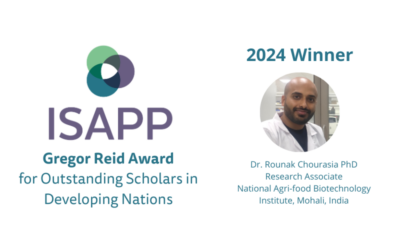 https://isappscience.org/wp-content/uploads/2024/01/Gregor-Reid-Award-winner-2024-Chourasia.png
600
800
KC
https://isappscience.org/wp-content/uploads/2021/06/ISAPP_LogoRedsign_horz.png
KC2024-01-22 17:11:492024-01-22 17:11:49Fermented Food Microbiology Researcher in Mohali, India Receives 2024 Gregor Reid Award for Outstanding Scholars in Developing Nations
https://isappscience.org/wp-content/uploads/2024/01/Gregor-Reid-Award-winner-2024-Chourasia.png
600
800
KC
https://isappscience.org/wp-content/uploads/2021/06/ISAPP_LogoRedsign_horz.png
KC2024-01-22 17:11:492024-01-22 17:11:49Fermented Food Microbiology Researcher in Mohali, India Receives 2024 Gregor Reid Award for Outstanding Scholars in Developing Nations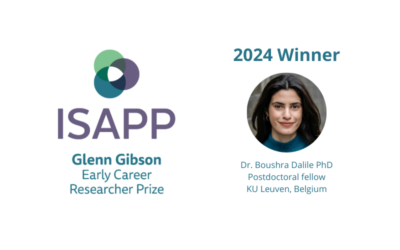 https://isappscience.org/wp-content/uploads/2024/01/Glenn-Gibson-winners-Dalile.png
600
800
KC
https://isappscience.org/wp-content/uploads/2021/06/ISAPP_LogoRedsign_horz.png
KC2024-01-22 07:05:032024-01-22 07:05:03Microbiota-Gut-Brain Axis Researcher in Belgium Receives ISAPP’s 2024 Glenn Gibson Early Career Researcher Award
https://isappscience.org/wp-content/uploads/2024/01/Glenn-Gibson-winners-Dalile.png
600
800
KC
https://isappscience.org/wp-content/uploads/2021/06/ISAPP_LogoRedsign_horz.png
KC2024-01-22 07:05:032024-01-22 07:05:03Microbiota-Gut-Brain Axis Researcher in Belgium Receives ISAPP’s 2024 Glenn Gibson Early Career Researcher Award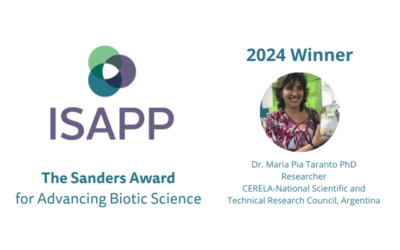 https://isappscience.org/wp-content/uploads/2024/01/Sanders-Award-winner-2024-Taranto.png
600
800
KC
https://isappscience.org/wp-content/uploads/2021/06/ISAPP_LogoRedsign_horz.png
KC2024-01-20 00:01:072024-01-20 00:01:07Inaugural Sanders Award for Advancing Biotic Science Goes to Argentinian Researcher who leads YOGURITO program
https://isappscience.org/wp-content/uploads/2024/01/Sanders-Award-winner-2024-Taranto.png
600
800
KC
https://isappscience.org/wp-content/uploads/2021/06/ISAPP_LogoRedsign_horz.png
KC2024-01-20 00:01:072024-01-20 00:01:07Inaugural Sanders Award for Advancing Biotic Science Goes to Argentinian Researcher who leads YOGURITO program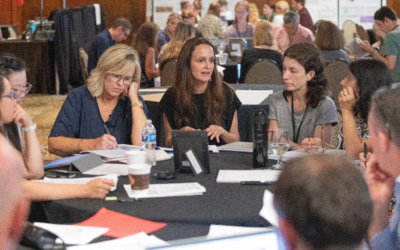 https://isappscience.org/wp-content/uploads/2023/12/conference-pic-scaled.jpg
1707
2560
KC
https://isappscience.org/wp-content/uploads/2021/06/ISAPP_LogoRedsign_horz.png
KC2023-12-15 05:35:342023-12-15 07:57:272023 in Review: Highlights in the Field of Biotic Science
https://isappscience.org/wp-content/uploads/2023/12/conference-pic-scaled.jpg
1707
2560
KC
https://isappscience.org/wp-content/uploads/2021/06/ISAPP_LogoRedsign_horz.png
KC2023-12-15 05:35:342023-12-15 07:57:272023 in Review: Highlights in the Field of Biotic Science https://isappscience.org/wp-content/uploads/2023/12/Doctor-computer-image.jpg
1353
2216
KC
https://isappscience.org/wp-content/uploads/2021/06/ISAPP_LogoRedsign_horz.png
KC2023-12-12 06:08:242023-12-13 21:21:51Statistical considerations for the design of randomized, controlled trials for probiotics and prebiotics
https://isappscience.org/wp-content/uploads/2023/12/Doctor-computer-image.jpg
1353
2216
KC
https://isappscience.org/wp-content/uploads/2021/06/ISAPP_LogoRedsign_horz.png
KC2023-12-12 06:08:242023-12-13 21:21:51Statistical considerations for the design of randomized, controlled trials for probiotics and prebiotics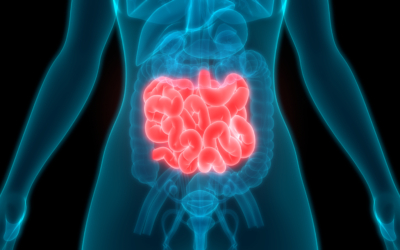 https://isappscience.org/wp-content/uploads/2023/11/small-intestine-photo-scaled.jpg
1440
2560
KC
https://isappscience.org/wp-content/uploads/2021/06/ISAPP_LogoRedsign_horz.png
KC2023-11-15 04:48:152023-11-20 20:22:27New paper outlines the value of studying probiotics in the small intestine
https://isappscience.org/wp-content/uploads/2023/11/small-intestine-photo-scaled.jpg
1440
2560
KC
https://isappscience.org/wp-content/uploads/2021/06/ISAPP_LogoRedsign_horz.png
KC2023-11-15 04:48:152023-11-20 20:22:27New paper outlines the value of studying probiotics in the small intestine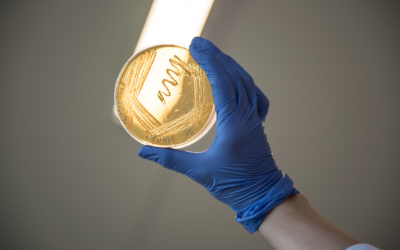 https://isappscience.org/wp-content/uploads/2023/10/ISAPP_LAB_043-scaled.jpg
1709
2560
KC
https://isappscience.org/wp-content/uploads/2021/06/ISAPP_LogoRedsign_horz.png
KC2023-10-30 02:20:232023-11-01 07:01:39Bridging the Gap Between Probiotic and Microbiome Research
https://isappscience.org/wp-content/uploads/2023/10/ISAPP_LAB_043-scaled.jpg
1709
2560
KC
https://isappscience.org/wp-content/uploads/2021/06/ISAPP_LogoRedsign_horz.png
KC2023-10-30 02:20:232023-11-01 07:01:39Bridging the Gap Between Probiotic and Microbiome Research https://isappscience.org/wp-content/uploads/2023/10/ISAPP-53-scaled.jpg
1707
2560
KC
https://isappscience.org/wp-content/uploads/2021/06/ISAPP_LogoRedsign_horz.png
KC2023-10-15 06:06:072023-10-16 04:11:51Why responders and non-responders may not be the holy grail for biotics
https://isappscience.org/wp-content/uploads/2020/10/RP4.jpg
820
1228
KC
https://isappscience.org/wp-content/uploads/2021/06/ISAPP_LogoRedsign_horz.png
KC2023-10-06 06:11:392023-10-13 18:21:27Probiotic Administration in Preterm Infants: Scientific Statement
https://isappscience.org/wp-content/uploads/2023/10/ISAPP-53-scaled.jpg
1707
2560
KC
https://isappscience.org/wp-content/uploads/2021/06/ISAPP_LogoRedsign_horz.png
KC2023-10-15 06:06:072023-10-16 04:11:51Why responders and non-responders may not be the holy grail for biotics
https://isappscience.org/wp-content/uploads/2020/10/RP4.jpg
820
1228
KC
https://isappscience.org/wp-content/uploads/2021/06/ISAPP_LogoRedsign_horz.png
KC2023-10-06 06:11:392023-10-13 18:21:27Probiotic Administration in Preterm Infants: Scientific Statement